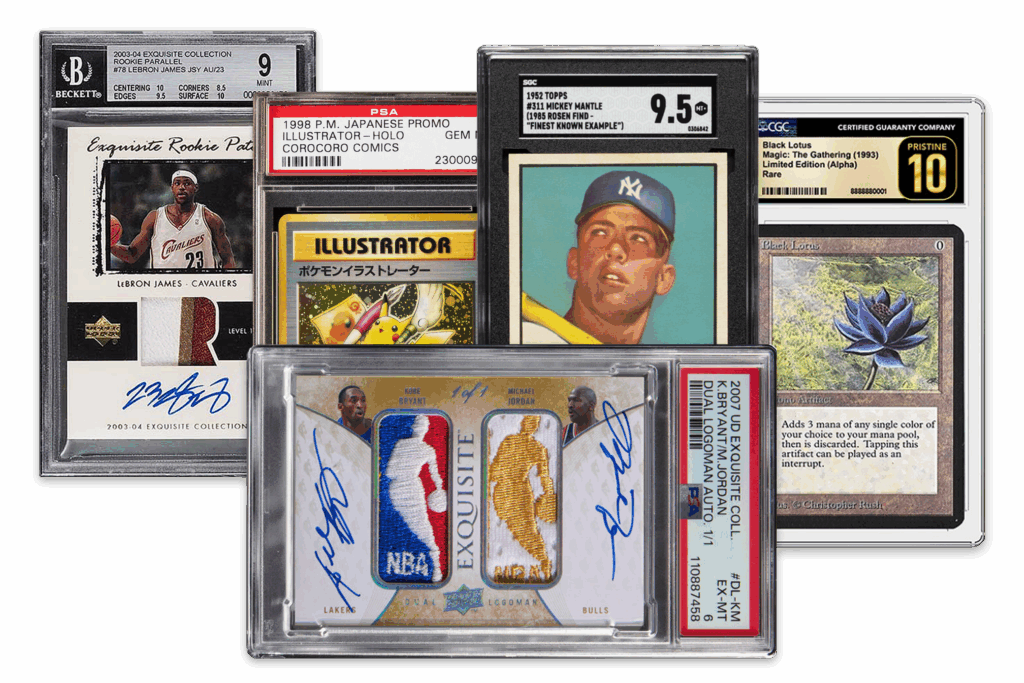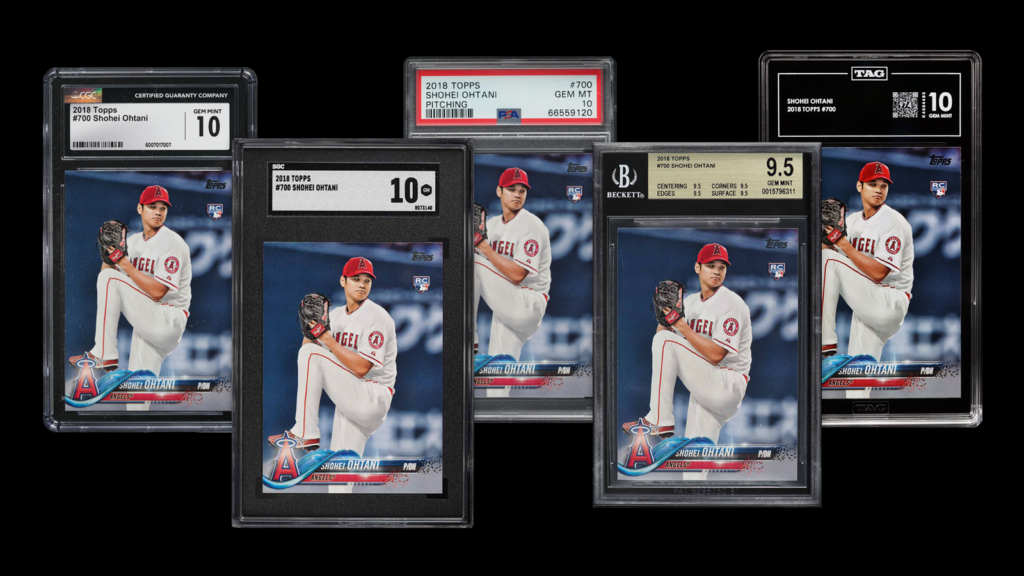

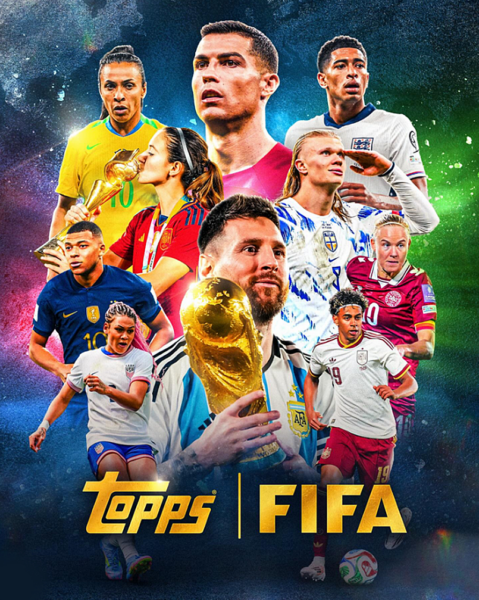
FIFA has signed a long-term exclusive collectibles licensing deal with Fanatics that will put Topps in charge of FIFA trading cards, stickers, and trading card games starting in 2031. The agreement ends Panini’s nearly six-decade run as FIFA’s collectibles partner and covers both physical and digital products across multiple World Cups.
What the Deal Covers
The core of the agreement is straightforward. Beginning with FIFA tournaments and events in 2031, all collectibles business moves to Fanatics Collectibles and will be produced under the Topps brand. That includes trading cards, stickers, and trading card games in both physical and digital formats. All products will be designed and developed through Fanatics Collectibles before being released under the Topps name.
Timing and Transition
Panini is not going away immediately. The company remains FIFA’s collectibles partner through the 2030 World Cup. The Fanatics and Topps deal takes over in full starting in 2031, giving Fanatics several years to build out product strategy, design infrastructure, and connect the FIFA license to its broader collectibles ecosystem. ESPN reported the agreement spans multiple World Cups, describing it as a deal that “spans multiple [World Cup] cycles,” pointing to a long-term commitment rather than a short-term handoff.
Why It Matters
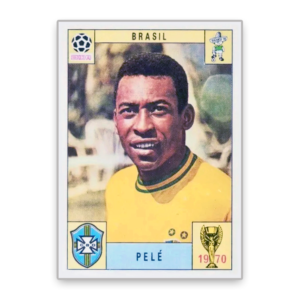
This is one of the biggest shifts in soccer collectibles in decades. Panini has been synonymous with FIFA World Cup stickers and cards for nearly 60 years. The first sticker and album collection was issued for the 1970 World Cup in Mexico (image below). With Fanatics taking over, one of the most recognizable global sports properties is moving into the same licensing universe that already covers many major North American leagues and properties under the Topps and Fanatics umbrella.
The deal also introduces product formats that FIFA says are new to international soccer. Fanatics specifically highlighted the Topps “debut patch autograph” program (from MLB, NBA, NFL, MLS and WWE), which will be included in products starting in 2031. Sports Business Journal characterized the move as “one of the more monumental shifts in the collectibles world.”
Digital and Youth Angle
The inclusion of digital collectibles is a notable part of the announcement. It fits Fanatics’ broader strategy of connecting traditional cards, online collecting, and fan engagement into one platform. FIFA also announced that Fanatics will distribute more than $150 million in collectibles free of charge over the life of the partnership to support youth football globally. In FIFA’s framing, the deal is as much about growing the sport as it is about generating licensing revenue.
Broader Fanatics Context
The FIFA deal builds on an existing relationship between the two organizations. Fanatics is already the official on-site retail and merchandising operator for the FIFA World Cup 2026, covering stadium retail and FIFA Fan Festival retail experiences. Fanatics acquired Topps’ trading card and collectibles business in 2022, including both physical and digital operations. In practical terms, the FIFA license is a Topps and Fanatics play, with Topps serving as the consumer-facing brand and Fanatics operating as the parent company and commercial engine behind it.
Topps v. Panini Over the Years
Topps is no stranger to the soccer trading card and sticker market. Long before the recent licensing shake-ups, the company had already built a strong foothold in the sport through a diversified approach.
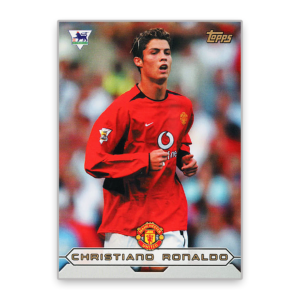
While Panini held exclusive rights to FIFA competitions like the World Cup, Topps focused on locking up deals with individual leagues, clubs, and governing bodies. That strategy paid off. Over the years, Topps secured officially licensed products across UEFA club competitions including the Champions League and Europa League, domestic leagues like the Premier League (below) and Major League Soccer, and direct partnerships with clubs such as FC Barcelona, Liverpool, and Juventus.
Those club-specific deals produced team sets and premium collectibles that kept Topps relevant and visible in the global market. Even without access to FIFA’s flagship tournaments, the company remained a consistent presence in soccer collecting.
The Bottom Line
For collectors, the transition date of 2031 feels far off, but the implications are immediate. The hobby now knows where FIFA soccer cards are headed. Panini’s World Cup sticker albums have been a fixture for generations of fans, and that chapter is closing. What replaces it is a Fanatics-built ecosystem that touches retail, digital, and physical collecting under one roof. Whether that structure delivers for soccer collectors the way it has in other sports remains to be seen. The 2031 launch will be the real test.
More
Listen as GRADEx’ Fabio Del Rio discusses this agreement with Tom Mayenknecht, of The Sport Market, on Pastime Radio (17:14 mark) via Sportsnet 650.
Images: Topps, FIFA, Panini

Fabio Del Rio
Founder, Publisher
Collector since: 1983
Currently: Professor and Developer of ‘Business of Sports Collectibles’ college-accredited course and Micro-Credential (Northern College, OntarioLearn). Publisher and Developer of tabletop card games, puzzle games and puzzles. Pitching Coach of Brock University Men’s Baseball team.
Formerly: VP of Product Development and VP of Production at In The Game (former NHL/NHLPA card licensee). Editor and Trends Editor at Trajan Media (Charlton Standard Catalogue of Hockey Cards, Canadian Baseball Cards, Canadian Sports Collector magazine, Non-Sport Report, and more).
Fun Fact: Ate a worm for a jersey, basketball and baseball. Ask for more details when you meet him at a show.
Make us a Google preferred source