
Welcome to Part 1 of our “What Should I Grade” series. In this instalment, we are focusing on trading cards.
Every year, millions of new sports and entertainment cards enter the market and monthly grading submissions continue to rise. That raises the question: which cards are actually worth submitting for grading?
These guidelines focus on financial return, investment potential, and the likelihood of receiving a high grade. They are not about your emotional connection to a card.
If you are grading for your personal collection, grading a card you pulled from a pack, or grading something for sentimental reasons, these recommendations may not apply. Pride, authentication, preservation, and display are all excellent reasons to grade a card, regardless of the grade it receives or its market value. There is also a genuine satisfaction in receiving a strong grade on a card you submitted, similar to the excitement of opening a pack.
However, if your goal is to maximize value, earn a return on investment, or flip for profit, you need to be selective. Not all cards are worth the cost of grading. Most items will not justify the grading fees, shipping costs, and time involved when you factor in potential resale value or the probability of landing a grade that adds meaningful value.
Knowing which cards are worth grading, and where to grade them, can save you significant time and money. It can also help you build a more valuable collection over the long term.
Key Points to Consider
Ultra-modern sports cards from 2020 onward with high population counts do not command much of a premium unless they grade Gem Mint or better. If you are looking to get value out of grading, avoid ultra-modern mid-range rookies with crowded populations.
Timing matters. Grading takes time, and market conditions can shift quickly. Before submitting, check the current turnaround time for the grading company you are considering. For ultra-modern cards with high populations, it is often smarter to simply buy the card already graded as a Mint 9 or Gem Mint 10.
Most collectors do not have the sharp grading eye of a professional grader. It helps to get input from someone who handles grading submissions regularly, like an official submission center. These professionals evaluate and process large volumes of cards, giving them better judgment and more experience than the average collector.
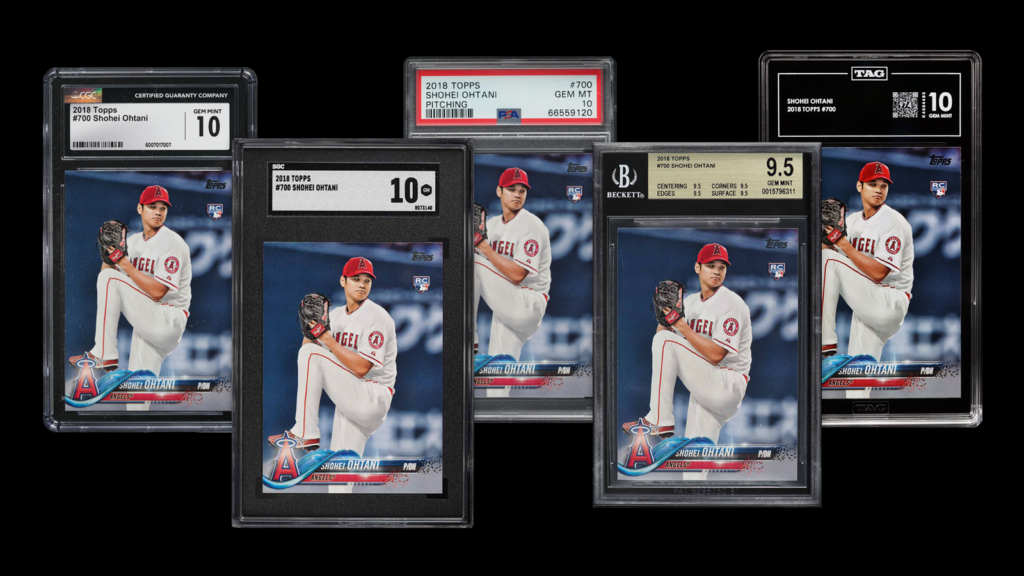
Grading can also be expensive with basic service levels currently running between $15 and $33 (USD) per card. Those costs add up fast if you are not selective. We recommend grading with one of the five major card grading companies: PSA, SGC, BGS, CGC and TAG.
Watch as our James Cybulski chats with Brad Hartlin of PSA Canada about how PSA assists customers in which cards they should consider submitting.
So, What Should I Grade?
Modern Cards (1980 to present):
In modern card collecting, as a general rule, focus on potential Mint or Gem Mint-condition cards of prominent rookies, low-numbered stars (250 copies or fewer), case-hit inserts, and memorabilia patches with a raw value of $50 or more. Low-print-run parallels numbered to 50 or fewer tend to hold value well and see meaningful price jumps at high grades.
On-card autographs of prominent rookies and established stars are among the best grading candidates, especially when the signature is clean and well-centered. Collectors can also have the quality of the autograph graded which adds even more prestige to the card.
Special attributes can add uniqueness and prestige to a card. Serial numbering that matches an athlete’s jersey number is one example. Color-matching parallels are another, where the card’s parallel color lines up with one of the team’s primary colors.
Avoid ultra-modern base cards, common parallels, and mass-produced inserts unless the player’s market is genuinely hot. High population counts can severely reduce the grade premium. Check population reports before submitting anything recent. If thousands of copies have already graded Gem Mint, your ceiling on return is low.
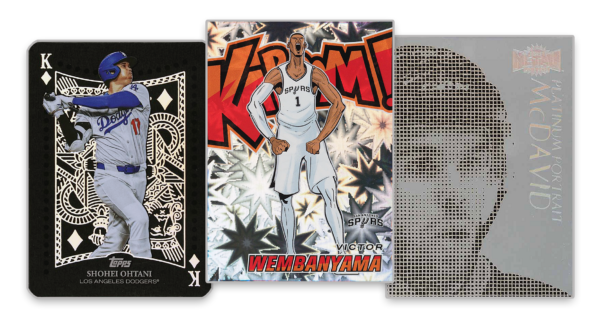
Not all brands carry equal grading value. Topps Chrome, Bowman, Dynasty, Prizm, Select, National Treasures, Platinum, SP Authentic, and Exquisite are some of the most popular brands in the hobby and consistently produce striking and memorable inserts and parallels worth grading. Short-printed inserts like All Kings, Kaiju, Kaboom, Color Blast, Downtown, Jambalaya and Platinum Portraits are favorites among collectors, while parallels like Refractors, Prizms, Precious Metal Gems and Outbursts are also beloved. Most common inserts from lower-tier products rarely justify the cost of grading.
Multi-colored patch cards sit at the top of the memorabilia-card hierarchy, which makes them a target for fraud. The window of a raw memorabilia card can be opened and resealed, making patch swaps possible with results that look legitimate to the naked eye. Grading helps eliminate that risk. Graders examine patch placement and window integrity before slabbing, and every card in a submission is scanned and imaged on file. Once a Logoman, Shield or Patch Autograph is authenticated and encapsulated, it is protected and backed by a certification number that is attached to the card through every future sale. If the patch is what makes a card valuable, getting it authenticated and sealed should be the first thing a collector does. Upper Deck is helping to eliminate this potential fraud by having some of their most valuable patch cards already encased out of the pack.
Finally, timing matters. Cards submitted during a prospect’s hot streak can sit in a grading queue for months. If the player cools off or gets injured before your card comes back, the market may no longer be as strong. Submit with realistic turnaround expectations, or buy the card already graded.
Vintage Cards (1979 and older):
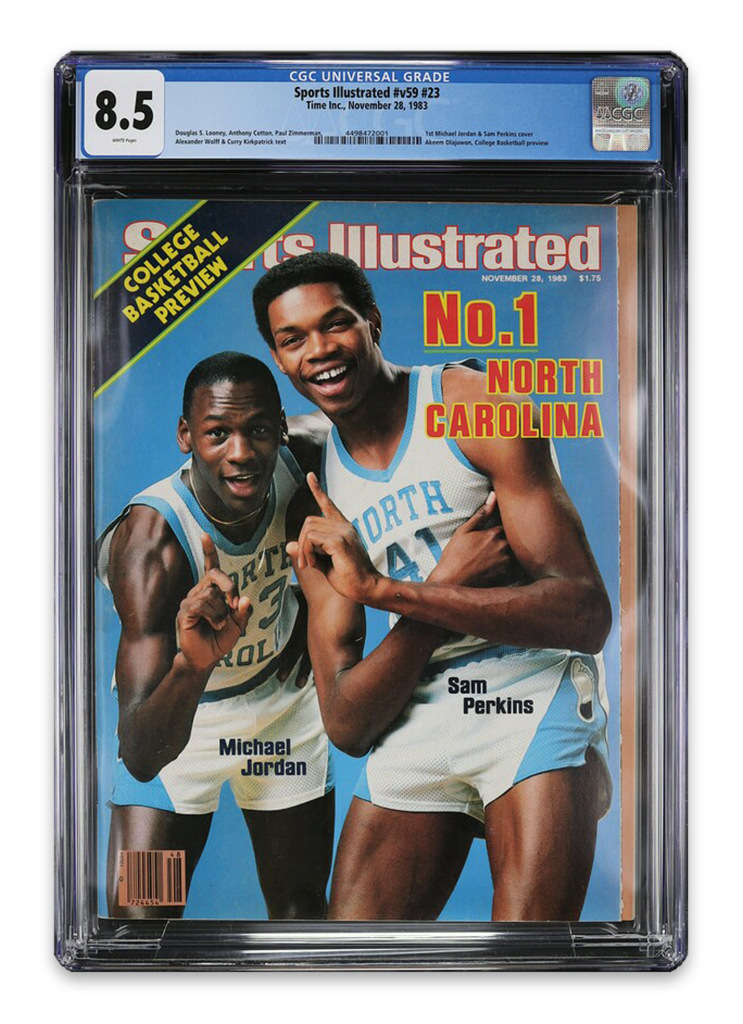
Rookie cards and early cards of prominent Hall of Fame and All-Star players are worth grading regardless of the grade they receive. A graded vintage card is easier to sell, and the grade confirms the authenticity, which is critical. The grading premium on vintage is less about chasing a top grade and more about certifying the card is authentic, which brings an added level of trust to a transaction. A PSA 3 copy of a 1952 Topps Mickey Mantle will draw much more attention and demand than a raw copy. Third-party authentication is something vintage collectors and investors have come to expect.
Pre-war cards printed before 1945 were made on lower-quality stock and handled far less carefully than more modern cards. A strong mid-grade on a prominent pre-war card is genuinely valuable. Post-war cards from the 1950s and 1960s are more condition- and grade-sensitive, and the spread between a SGC 4 and a SGC 8 can be significant. Eye appeal plays a big role here.
Two cards can share the same grade but look noticeably different in hand. Centering, surface brilliance, color vibrancy, and print quality all contribute, and collectors consistently pay more for cards that look better than their grade suggests. Mike Baker Authentication (MBA) was created to identify exactly those type of cards, applying color-coded diamond stickers to graded slabs to identify superior eye appeal. An MBA designation can meaningfully increase value and attract serious buyers, especially for vintage (modern as well).
Focus your vintage grading strategy on Hall of Famers, key rookie cards, and regional or short-printed variations with documented scarcity. Supporting cast players and commons rarely justify the cost unless the card is historically significant or extremely scarce. Before submitting anything vintage, have it reviewed by someone experienced with the era. Trimming, doctoring, and restoration are more common than most collectors may expect. A card that is graded as “altered” is a almost a sunk cost with little chance of recovery.
In summary, consider grading cards that…
- Feature prominent rookies or stars with clean, well-placed on-card autographs
- Are numbered to 250 or fewer, with 50 or less holding the most value at high grades
- Come from popular brands
- Include multi-colored patches worth authenticating
- Have a raw value of at least $50 before grading costs are factored in
- Show strong eye appeal, good centering, clean surfaces, and vibrant color
- Are vintage rookie or early cards of Hall of Famers, even at mid-grades
- Represent pre-war or scarce variations with documented short prints
- Have reasonable low Mint or Gem Mint population counts
- Are ready to submit now, with realistic expectations on turnaround time
How Do I Train My Eye For Grading?
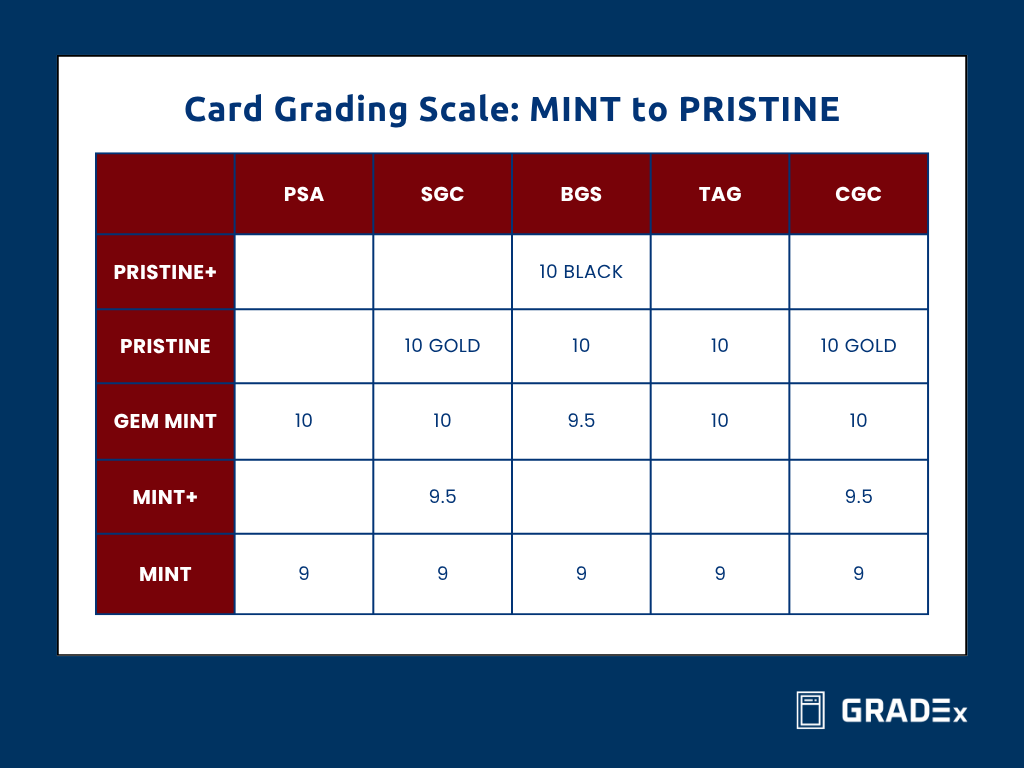
For trading cards, start by learning the formal definitions of all grades, from Authentic to Good to Mint all the way to Pristine. Review our Scales of Grading feature story to examine the highest grades.
We also have a full breakdown of each grade in our Collectibles U chapter on grading. But nothing trains the grading eye more than reviewing hundreds if not thousands of cards. Over time you will pick up patterns that are common for specific cards and sets.
Is There a Guide For Which Cards I Should Grade?
Not yet, but we are working on it. The ever-expanding GRADEx Market Report is designed to help you identify some of the strongest candidates for card grading.
We don’t cover every card, parallel and insert, but it will give you a solid starting point. Overall, we suggest you do your homework before you submit.
Conclusion
Grading is most rewarding when you approach it with a clear strategy and realistic expectations. The best submissions share a few common traits: strong condition, genuine scarcity, and a rising market. Do your research before you submit, and grading becomes a tool that builds real value in your collection over time.

GRADEx Staff
This story is a team effort. Our writers, editors, and hobby experts worked together, researching and reporting to bring you this piece.
Make us a Google preferred source