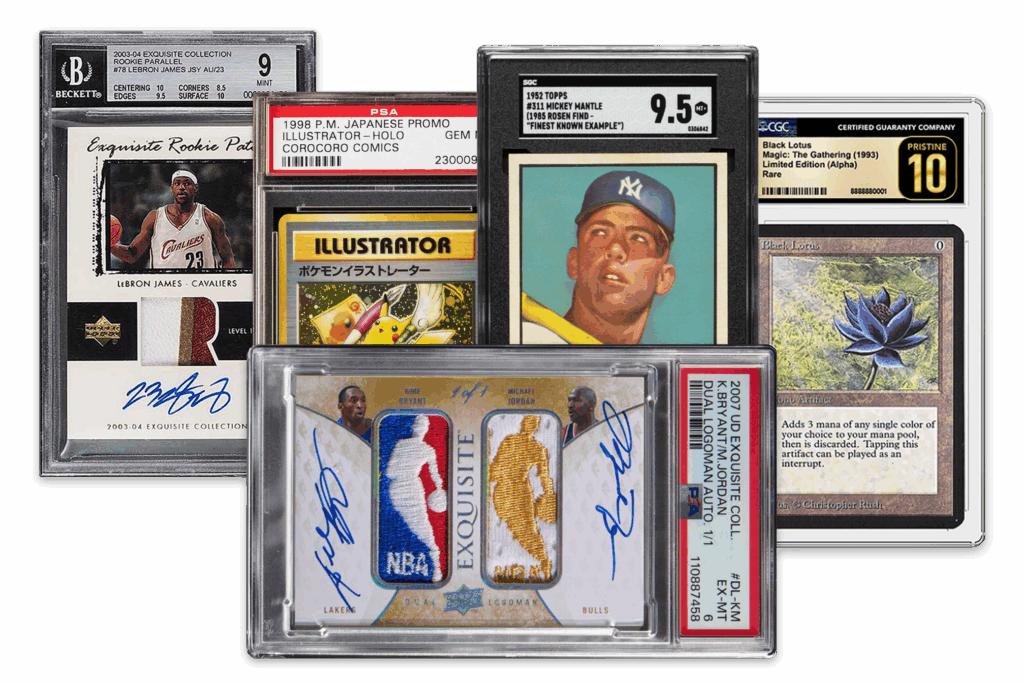
For collectors, dealers and shop owners, protecting cards means thinking beyond the transaction. Purchases need to get home, inventory needs securing after closing, and grading returns need protection until they reach their owners.
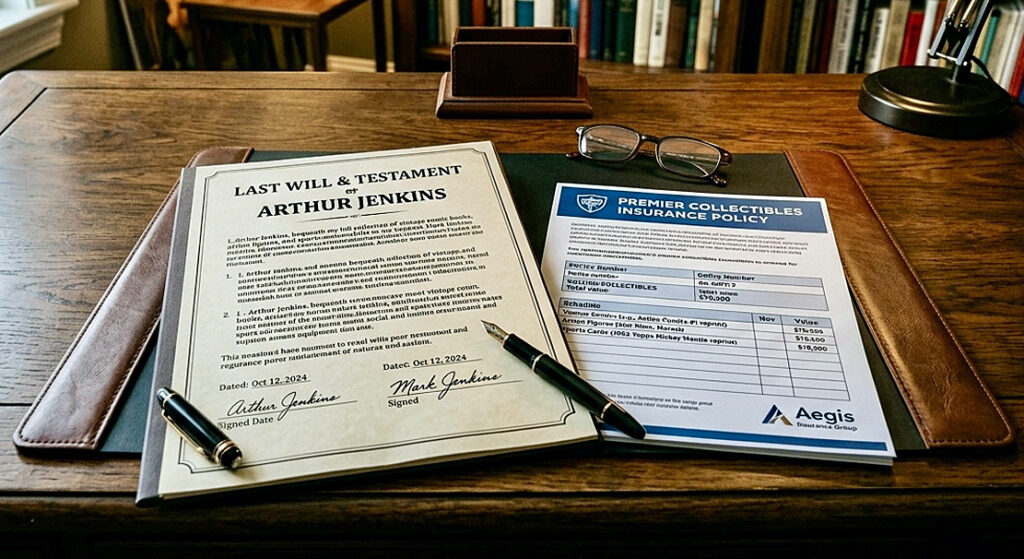
Our earlier GRADEx story on protecting your collection covered documentation, insurance and planning. Recent thefts show where those preparations meet everyday decisions about handling, transporting and receiving cards. In this story, we share best practices and tips from other collectibles markets.
At the Table and Counter
Card-shop break-ins across the United States and Canada have exposed how quickly valuable inventory can disappear. An October 29 FBI Newark warning described seven New Jersey shops targeted through fraud, with several retailers also experiencing smash-and-grab burglaries. In August, Vancouver police reported thieves prying open a shop’s rear door and using a truck to pull out its safe.
The Vancouver case gives owners reason to review rear access, safe installation and alarm response alongside front-of-store security.
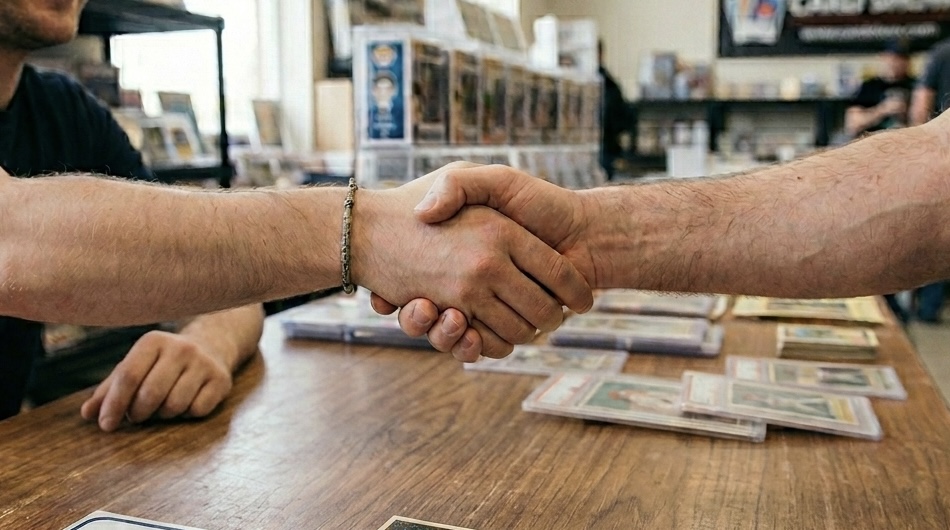
During business hours, theft can be quieter. The American Numismatic Association warns that thieves sometimes work in pairs, with one distracting a dealer while another handles merchandise. Showing one valuable card at a time makes transactions easier to follow. Locked showcases protect the rest. Collectors need similar control over binders and purchases before moving to another display.
Getting Home Safely
Closing time divides attention between packing, conversations and trips to the car. The ANA identifies setup, teardown and loading as vulnerable periods. A companion can watch the remaining inventory, while an available security escort can help with the walk outside.
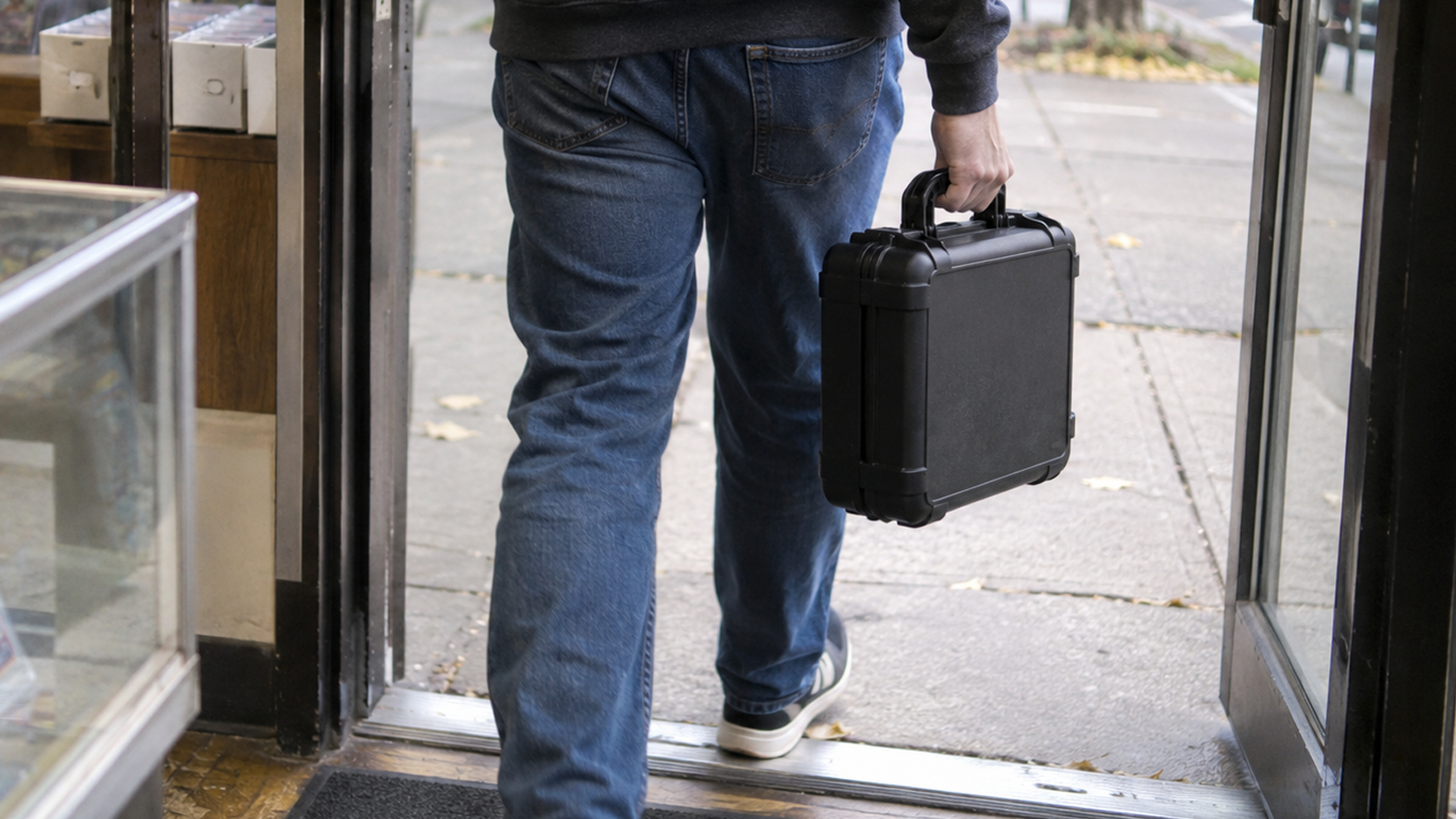
Leaving a shop deserves the same care. Packing purchases in a plain bag before stepping outside reveals less about what you are carrying. The social media reveal can wait, too. Jewelers Mutual advises against sharing real-time travel details or merchandise specifics.
A dinner stop may feel routine. Leaving cards in the car creates another opportunity. Writing for NGC, coin dealer Jeff Garrett describes collectors being followed from shows and having their vehicles burglarized during food or restroom stops. A locked trunk should never become a storage plan.
Following someone need not mean trailing their car. An AirTag or similar tracker slipped into a backpack could reveal where the bag goes. Keeping bags closed and within sight helps limit that opportunity. Unfamiliar tracking alerts deserve attention; Apple’s guidance explains how to locate and disable an unknown device. If you suspect you are being followed, avoid going home. Contact police from somewhere safe and do not confront anyone.
Beyond the Front Door
At home, a carrying case still needs secure storage. Private Collection Insurance (Ferrari & Associates) recommends entry-point sensors, reinforced access points and a high-quality safe bolted to the floor. As the Vancouver theft illustrates, a safe needs protection around it, too.
For deliveries, the time between arrival and collection matters. The U.S. Postal Inspection Service recommends prompt pickup, signature confirmation and Hold for Pickup. Canadian collectors can use Canada Post’s FlexDelivery for eligible purchases if the seller can ship to its PO box address. Secure pickup keeps packages off porches.
Understanding the Coverage
On October 13, 2026, customer orders were stolen from a FedEx truck after pickup at PSA’s Santa Ana facility. PSA initially listed 6,451 stolen items, then disclosed additional affected parcels on November 10. It deactivated stolen graded items’ certification numbers and alerted marketplaces.
The incident raises a question worth asking before submitting cards: what protection follows them home? PSA says its return-label insurance applies, with compensation subject to fair market value and the declared Maximum Insured Value.
Separately, FedEx’s declared value sets a liability limit, not a guaranteed payout. Policy wording matters: Collectibles Insurance Services excludes mysterious disappearance, while USPS requires acceptable proof of value for claims.
Making Protection Part of Collecting
No single precaution covers every situation. Careful handling, secure transport, suitable insurance and accurate records work together. If theft occurs, notify police promptly and share photographs, certification numbers and serial numbers with businesses helping recover the cards. Collectors put considerable effort into finding the right cards. Protecting them deserves the same care.

GRADEx Staff
This story is a team effort. Our writers, editors, and hobby experts worked together, researching and reporting to bring you this piece.
Make us a Google preferred source