For many collectors, the thrill of finding and building a collection over the years is a big part of the hobby. But at some point, most collections will eventually be sold.
Selling collectibles isn’t just about finding a buyer. It’s about presenting your items well, to the right audience, at the right time. The good news? You don’t need fancy displays or elaborate marketing strategies. You just need a solid plan, some patience, and a bit of common sense.
Here’s a look at proven best practices, whether you’re new to collecting or a seasoned veteran.
Start with Knowing What You Have
Before you sell anything, you need to understand what you own. Many people rush to sell items without knowing what they have or what they’re worth. That’s a mistake.
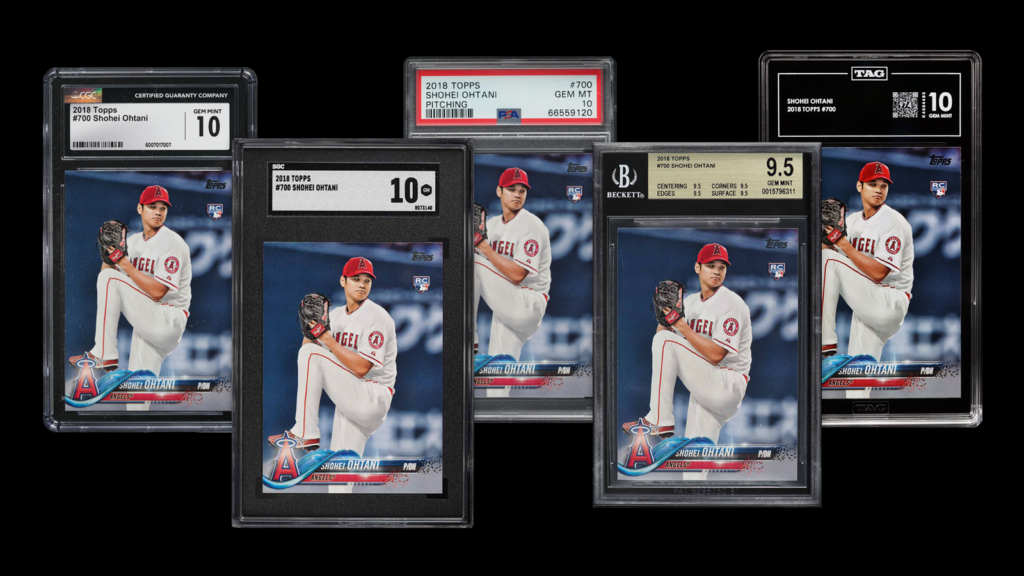
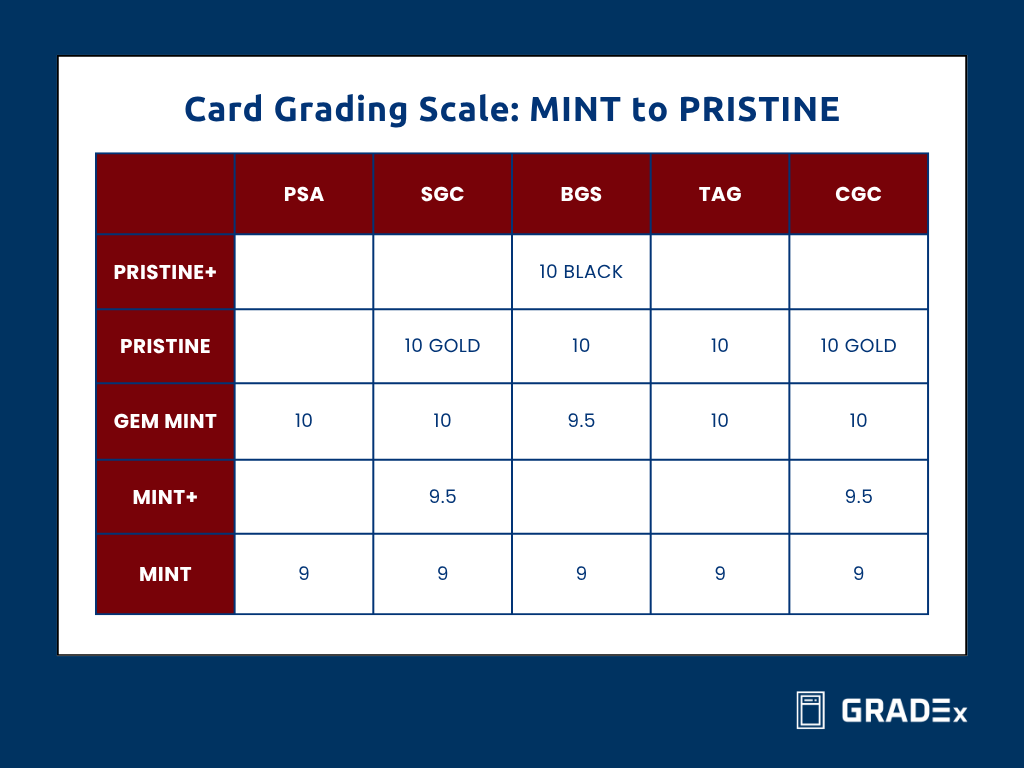
Go through your collection. Sort it out by category: cards, magazines, comics, sneakers, toys, whatever applies. Then research each item. Look up recent sales on platforms like eBay (the world’s largest collectibles marketplace), COMC, Heritage Auctions, Fanatics Collect, or Goldin. Apps like 130point and Card Ladder pull sales data from multiple marketplaces in one place. If an item isn’t professionally graded, pay close attention to condition.
If you have graded items, check values through the platforms and resources mentioned above. Graded or not, take clear, close-up photos and be honest about any flaws.
Knowing what you have builds confidence. And confidence helps you negotiate better.
Choose the Right Place to Sell
Where you sell matters just as much as how you sell.
For lower-value items, COMC (for cards), eBay, or Facebook Marketplace are all solid options. You will reach a large pool of buyers quickly, but be ready to answer questions and handle shipping. If anything feels uncertain, talk to experienced sellers before you list. A little advice early on can prevent costly mistakes down the road.
If you want to manage the sale yourself, start small. List a few lower-end items, complete some successful transactions, and get comfortable with the process before moving up to higher-value pieces. Build your confidence first, then scale from there.
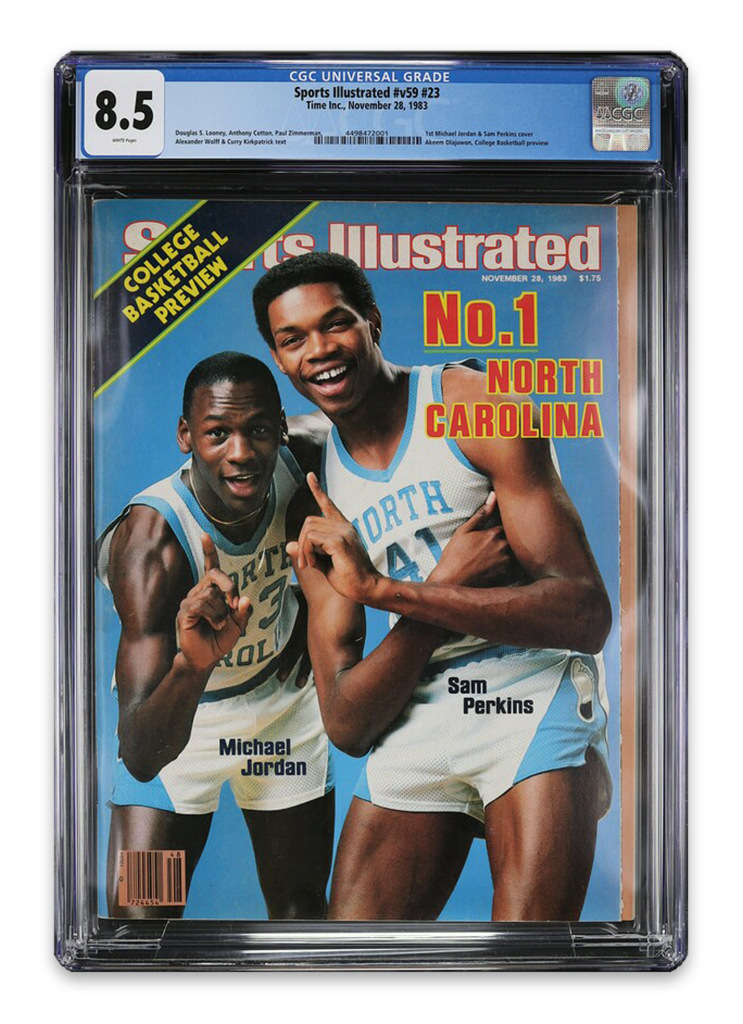
For higher-end items valued at $500 or more, such as a rare trading card, magazine, action figure or comic book, consider working with a reputable eBay consignor. Consignors typically have an established customer base (and audience) and can bring added attention to your item. They also handle all the customer service and shipping, which takes a lot of work off your plate.
Some well-known consignors include DCSports87 and 4 Sharp Corners in the US. In Canada, Slab Sharks has built a strong reputation in this space, particularly for hockey.
Auction platforms like Heritage, Goldin, Pristine, Fanatics Collect, Alt and Classic Auctions attract serious collectors and can help you land a fair price on significant pieces.
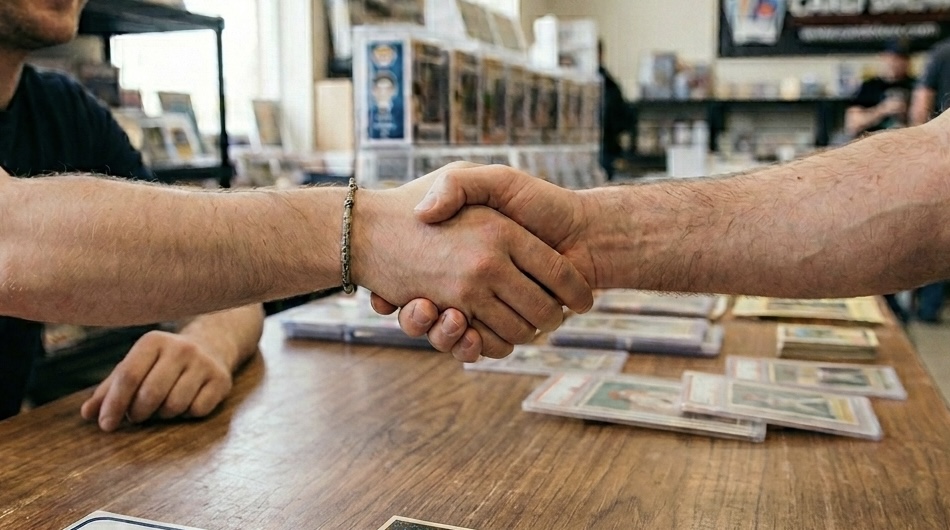
Local hobby shops are worth considering too. Some will buy items outright or help connect you with buyers. You may not get top dollar, but you will save time and avoid the hassle of managing the sale yourself.
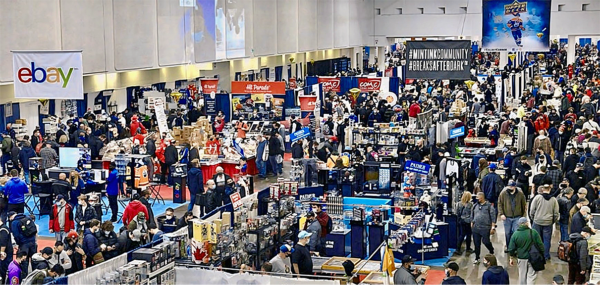
Photo: Sport Card Expo
Local card shows are another relatively inexpensive option. You can attend as a collector looking to sell directly to vendors, or set up your own table and let buyers come to you.
In the end, it comes down to what matters most: speed or price.
Build a Clean, Honest Listing
Use good lighting and a plain background. Shoot the item from a few angles. Don’t hide flaws. Be upfront about condition. Buyers respect honesty, and that’s what builds trust.
Keep your description short and clear. Stick to what actually matters: year, brand, model, condition, and any certifications or serial numbers. Skip vague claims like “super rare” or “Gem Mint” unless you can prove it. Buyers want real details, not hype.
A clean listing means fewer questions and a faster sale.
Study the Market and Timing
Prices move with trends. That’s normal. Selling when demand is up will usually get you a better result.
Track sales on major platforms. Follow collector forums and social media groups. You’ll start to notice patterns. Certain cards heat up before a new sports season. Old movie memorabilia gains traction when a remake is announced.
Don’t rush. Waiting a few weeks can sometimes mean the difference between an average sale and a strong one.
But don’t overthink it either. If prices are steady and you’re ready to move on, sell. The market moves fast, and holding too long can backfire.
Price It Fairly
Pricing is where most sellers trip up. Everyone wants top dollar, but buyers won’t pull the trigger unless the price feels right.
Start by checking recent sales of the same or similar items and use those as your baseline. If your item is in better shape or graded higher, you can price above average. If it’s not, price a bit lower to move it faster.
Leave some room for negotiation. Buyers like to feel they got a deal. Just know your floor and stick to it. Lowball offers come with the territory when you’re selling, so don’t take them personally. Buyers throw out low numbers because it costs nothing to ask, and every so often a seller bites just to get something moving. Before you list anything, figure out the lowest price you’d actually accept.
Check recent sold listings on eBay or whatever marketplace you use, settle on that number, and hold the line even if someone pushes back. If an offer comes in way under market, just say no, or counter close to your asking price. You don’t owe anyone an explanation, and asking twice doesn’t earn a discount. A card sitting a little longer almost always beats giving it away cheap, and the buyers who are serious will come back with a real number.
A fair price gets you quicker sales and repeat buyers.
Protect Yourself During the Sale
Scams happen in the collectibles world, so it pays to protect yourself.
Sell through secure platforms that handle payments safely. If you’re selling locally in person, meet in a public place. Many local police departments recommend using a “safe trade zone” for these kinds of transactions. The Ottawa Police, for example, have published tips for safe in-person sales.
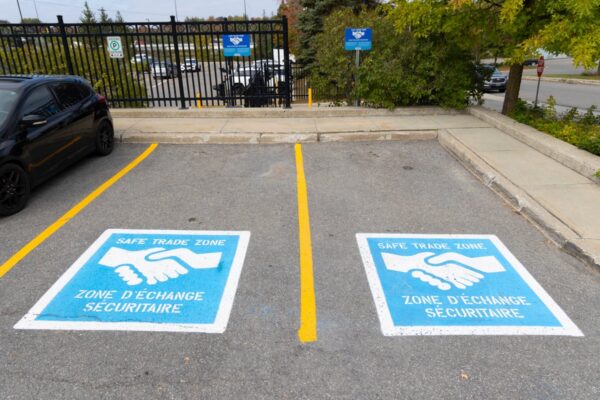
Photo: ottawapolice.ca
Don’t ship anything until payment has cleared. Keep records of everything, including photos, chats, and receipts. That way you have proof if a dispute ever comes up.
When you ship, use tracked and insured options. It costs a little more, but it protects you and gives the buyer peace of mind too.
Professionalism goes a long way. The smoother and more reliable your process is, the more buyers will trust you.
Be Patient and Realistic
Not every item sells fast. Not every buyer will meet your price. That’s part of the process.
If something doesn’t sell right away, adjust your photos, rewrite your description, or try a different platform.
If nothing is moving after a few weeks, your price may be too high or the timing may be off. Make small adjustments and keep testing. Selling collectibles can feel slow, until it suddenly picks up.
Patience usually pays off when your listing is honest and well put together.
Build Your Reputation
In the collectibles world, reputation matters.
Whether you’re selling on eBay or through social media, good reviews and word of mouth carry weight. Respond quickly, ship promptly, and treat buyers fairly. People remember good sellers and come back again.
If you plan to sell regularly, work on building a name buyers can count on. Stay organized, communicate clearly, and be consistent. Over time, you’ll develop a network of collectors who come to you directly instead of searching elsewhere.
Every good deal you make now sets you up for the next one.
Keep Learning
The collectibles market moves fast. New trends, price shifts, and product releases happen constantly. Staying informed helps you keep up.
Follow industry news and collector communities online. Pay attention to what’s gaining traction, but don’t chase every shiny new thing. Learn why certain items hold value over time and others don’t. The sharper your instincts get, the better your calls will be.
Creative thinking can change your results. The way you present, bundle, or describe your items matters more than most sellers realize. Small adjustments in how you approach a listing can mean the difference between a quick sale and something that sits for months.
Lower-priced cards are a good example. A box of 100 random commons might fetch $5 on a good day. Sort those same cards by team, position, or hometown and you could pull $15 or more. It takes extra time, but the payoff is usually worth it.
Selling collectibles isn’t just about making money. It’s about understanding what people actually care about.
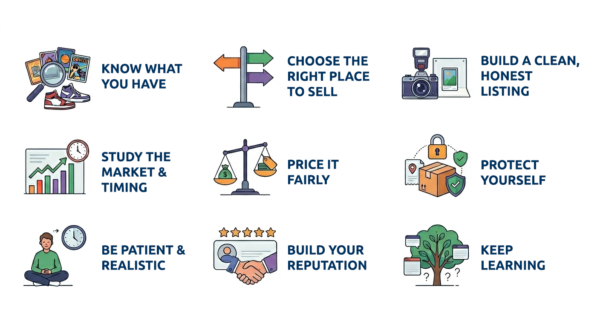
Conclusion
Selling collectibles takes patience, honesty, and attention to detail. The best approach isn’t complicated. It comes down to clear listings, fair prices, good timing, and solid relationships with your buyers.
Do the basics well, and good results will follow. For most collectors, the real satisfaction doesn’t come from cashing out. It comes from knowing their items found a new home with someone who values them just as much.
And that’s the best kind of sale there is.
Images: Google Gemini

GRADEx Staff
This story is a team effort. Our writers, editors, and hobby experts worked together, researching and reporting to bring you this piece.
Make us a Google preferred source