The hobby will keep changing. Technology, market cycles, and the ways collectors connect and trade will all look different five or ten years from now. But certain things stay true regardless. Some principles held before the internet, before grading companies, before any of it. After decades in the hobby and across categories, these are the truths that hold.
Nostalgia and Sentimental Value
Not everything in a collection has a price tag that reflects what it’s actually worth to its owner. A card might connect someone to a parent who collected before them. A ticket stub might represent the best night of someone’s life. Those personal connections don’t show up in a price guide, and they don’t need to. For a lot of collectors, that’s the whole point.
For a deeper look at why nostalgia drives so much of collecting behavior, the Sports Cards Nonsense episode on The Power of Nostalgia with Clay Routledge is worth your time.
Historical Connection
There’s something genuinely powerful about holding a tobacco card from 1909, a signed document passed down for a hundred years, or a ticket stub from a game that changed a city’s sports history. These aren’t just old paper or cardboard in a box. They’re artifacts, and they carry weight because they were there. Collectors end up playing a role most people never think about. Without realizing it, they become historians, quietly saving the smaller things museums overlook: a program from a local game, a letter nobody else thought to keep, a card forgotten in a shoebox for decades. Most of it would have ended up in the trash if someone hadn’t cared enough to hold onto it. That’s what collecting really comes down to. It’s not just about owning something rare or valuable. It’s about keeping a piece of culture, sport, and everyday life alive when nobody else was paying attention.
Driven by Passion
Collecting almost never starts as a calculated decision. It starts with a genuine interest, maybe a player, a team, a franchise, or an era that just grabs you, and it grows from there on its own. That early spark is what keeps people in the hobby through slow markets, dry spells, and the long stretches where nothing worth chasing seems to show up. Collectors who stick around aren’t the ones treating every purchase like a spreadsheet exercise. They’re the ones who still get a small charge out of finding a card that fits the story they’re building. Take that feeling away and the whole thing turns into just another chore.
Requires Time
There are no real shortcuts to building a collection that actually means something. Collectors put in the hours: researching, showing up at card shows, digging through auctions, and hunting down that one specific piece, sometimes for months, sometimes for years. It’s slow, often frustrating work, and there’s no way to speed past it if you want the collection to hold real weight. That time investment is exactly what makes each new addition feel earned instead of just bought. A card that took two years to track down carries a different kind of value than one that showed up in a random online cart.
Research Intensive
The hunt feels like the fun part, and honestly, it is. But research is the real work, and it’s what separates collectors who make smart calls from the ones who end up regretting a purchase. Understanding production history, knowing how to spot an authentic piece, and having a real sense of what fair value looks like, none of that shows up overnight. It takes serious time and a willingness to dig past the surface.
Trusted sources matter here: expert publications, established dealers, official databases, and the tight-knit communities built around specific categories all help fill in the gaps. The hobby has no shortage of bad information floating around, and the collectors who get burned are almost always the ones who skipped this step.
Educational
Spend enough time in any collecting category and real expertise just starts to build on its own. You start noticing condition issues that other people walk right past. You understand why certain pieces command the prices they do, instead of just accepting the number on the tag. You get sharp enough to spot fakes that would fool a casual buyer without a second look.
That kind of knowledge takes years to develop, and there’s genuinely no way to fast-track it. But collectors who put in that time find the hobby starts paying them back in ways that go beyond the collection itself. It gets more rewarding, and over time, it tends to get a lot less expensive too.
Financial Investment
Collectibles have always attracted people who see value beyond the object itself. A piece of cardboard or a vintage toy is never just what it appears to be. It carries history, scarcity, and the kind of shared memory that does not fade easily. Markets shift, trends move on, but items tied to real cultural moments tend to stick around.
Collectors who understand that have always had an edge. They are not chasing hype. They are spotting quality, condition, and significance before the rest of the market catches on. Vintage cards, rare autographs, and historical artifacts have all produced real returns for patient collectors. The key word is informed. Without research, collecting is closer to gambling than investing. With it, a collection becomes a tangible asset worth taking seriously.
Rarity
Supply drives desirability. When something is hard to find, people want it more. That basic truth runs through almost every corner of the hobby, from vintage wax to modern parallels. Limited editions, short print runs, and discontinued items all carry a built-in appeal that mass-produced cards simply cannot match. The smaller the supply, the bigger the demand tends to be, especially when the subject of the card connects with a wide audience. But not everything that looks rare actually is. Some items are marketed with scarcity language without any real production limits behind them. Others are plentiful in certain grades but nearly impossible to find in high condition, which creates its own kind of rarity.
Learning to tell the difference between genuine scarcity and the appearance of scarcity is one of the most practical skills a collector can build. It takes time and research, but it pays off. Collectors who understand true rarity make smarter buying decisions, avoid overpaying for artificially inflated items, and spot undervalued pieces that others walk right past.
Cataloguing and Organization
A collection without organization is just a pile of stuff, no matter how many pieces you own. Cataloguing through software, a spreadsheet, or even a notebook lets you track what you have, spot gaps, and plan what to add next. It also stops you from buying duplicates or forgetting about cards you already own.
This becomes even more important once real money is involved, since insurance, appraisals, and estate planning all depend on clear records. A shoebox of commons doesn’t need much tracking, but graded cards and vintage rookies do. The more valuable your collection gets, the more this habit protects what you’ve built.
Negotiation
Negotiating is part of the hobby, whether you’re at a convention, buying online, or making a private deal. Sticker prices rarely stay where they start. Dealers usually build in room to negotiate, so an opening offer 15 to 25 percent under asking is expected, not rude. Paying cash or buying multiple cards at once almost always gets a better deal than a single card offer.
The same goes online. Best Offer listings invite back and forth, and a seller who takes a while to reject your first offer is often open to a second one. Collectors who track market trends, rarity, and timing tend to walk away with better deals. And the more you negotiate in this hobby, the better you get at it everywhere else.
Authenticity
Authenticity is everything. A fake card isn’t worth the cardboard it’s printed on, no matter how good the printing looks. Counterfeiters have gotten good at their craft, and they put the most effort into the high-value end of the hobby. A well-made fake can fool a casual buyer, sometimes even someone who’s been collecting for decades. Verification isn’t something you skip. It’s part of doing business here.
Certificates of authenticity help, but they’re only as reliable as the company behind them. Professional grading offers a stronger layer of protection, since third-party graders have handled enough fakes to spot patterns most people miss. Expert appraisals matter too, especially for one-of-a-kind pieces with no grading template to measure against. Still, buying from a seller you trust matters more than any paperwork. A dealer with a reputation on the line has a real reason to get things right. A stranger on a marketplace app doesn’t. Collectors who skip this step usually find out the hard way, often with a piece they can’t return.
Condition, Preservation, and Storage
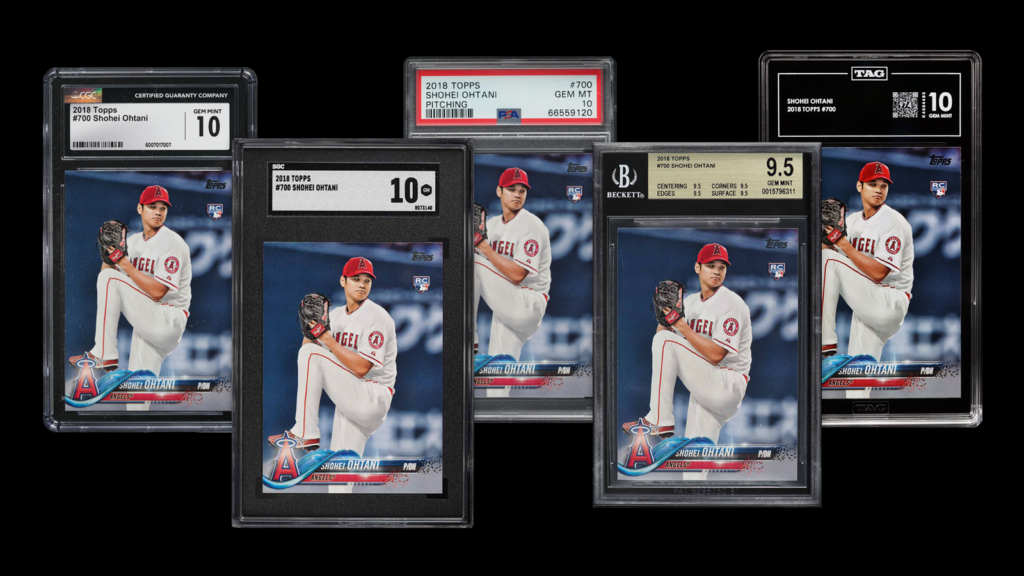
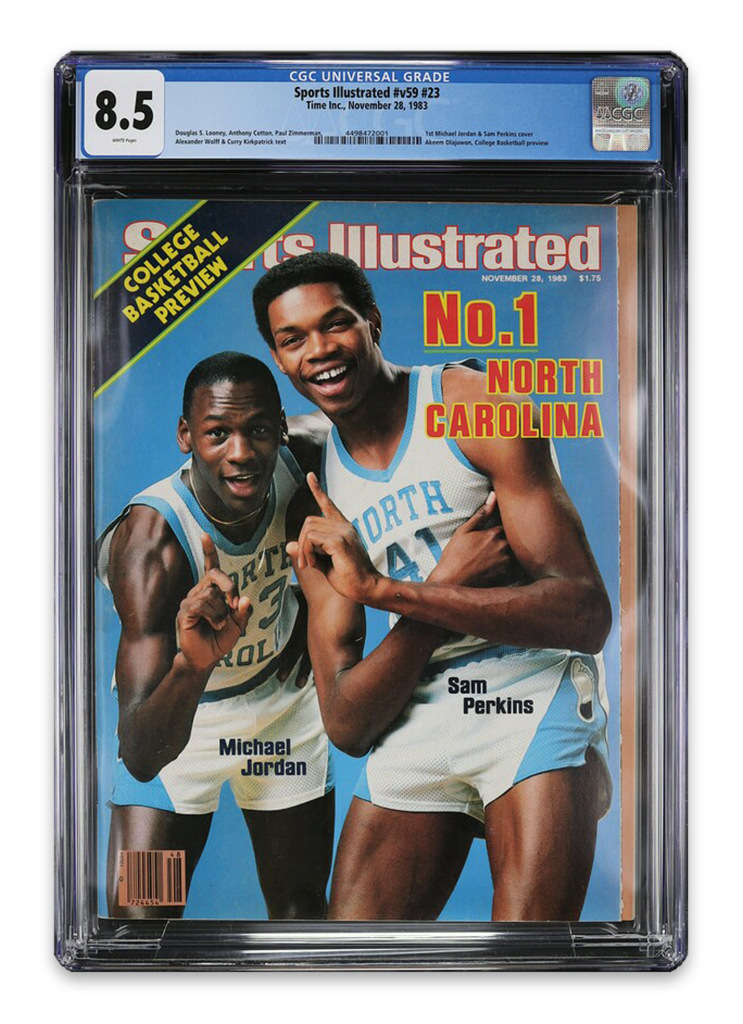
In most categories, an item in top condition is worth a lot more than the same item showing wear. That’s why collectors take storage seriously: climate control, protective sleeves, holders, cases, and keeping pieces out of direct sunlight. Many also send items out for professional grading to confirm and document quality. Condition isn’t just about value. It’s about keeping a collection worth having.
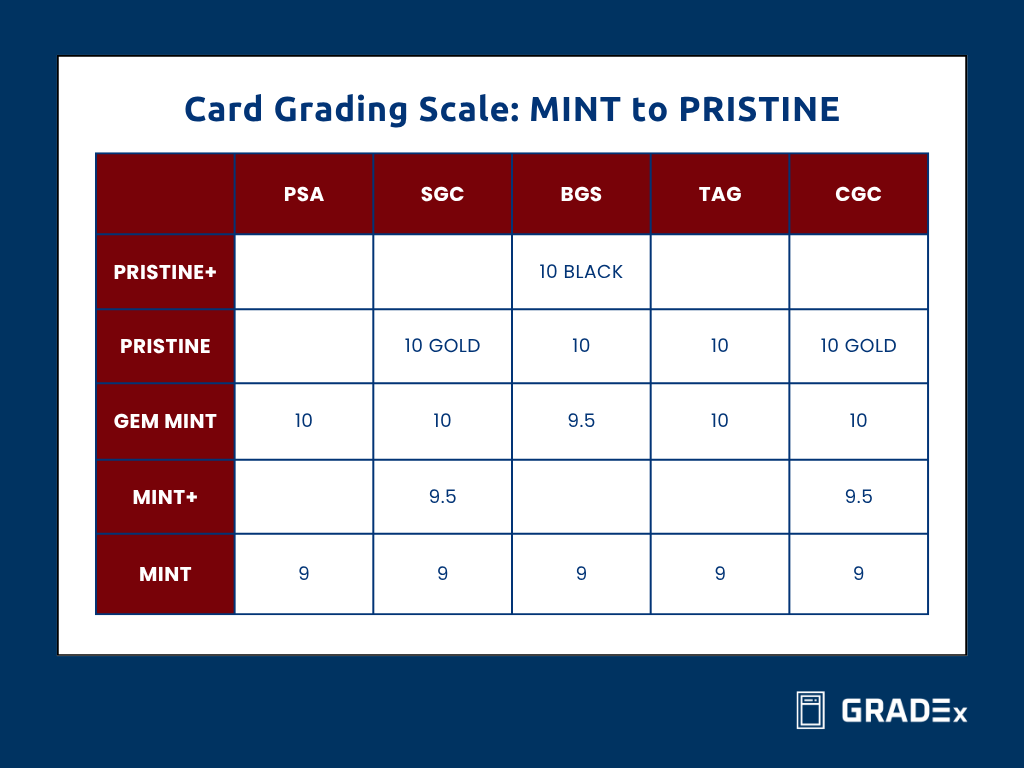
The difference between grades can be hard to spot untrained, but it shows up fast in the price. A soft corner or a faint scratch can knock a card down to a fraction of what a pristine copy from the same print run brings in. That’s why condition sensitivity is one of the first skills serious collectors develop. Preservation matters just as much as the purchase itself. Humidity, heat, and light wear down paper and ink over time. Grading adds another layer of protection, locking in an assessment and giving buyers confidence in what they’re getting. Collectors who take condition seriously aren’t just protecting resale value. They’re protecting the reason they wanted the piece in the first place.
Display
A collection locked away in storage boxes, safes, or closets loses an important part of its purpose. Displaying your pieces allows you to enjoy them every day while giving you a clear way to share them with other people. The way you present your items reflects what the hobby means to you, whether you use custom shelves, acrylic cases, card stands, or a digital gallery.
Putting cards on view requires a balance between presentation and protection. Sunlight, shifting humidity, and poor physical support can fade ink, yellow paper, or damage slabs over time. Serious collectors build displays with preservation in mind. Choosing safe materials, keeping items out of direct light, and controlling the room setup keeps cards in top shape while they stay on view.
Displaying your cards also changes how you interact with them. Rotating cards in and out of view, grouping slabs by set or era, or putting key pieces on display stands turns a stack of cardboard into a personalized lineup. It starts conversations when other collectors drop by and reminds you why you got into the hobby. Presentation gives your collection structure, turning individual pieces into a clear story.
Market and Trend Awareness
The collectibles market is always moving. Categories that command top dollar today can easily quiet down tomorrow, while niche niches suddenly catch fire. Successful collectors do not just react to these changes as they happen. They stay ahead of them by following auction results, tracking sales volume, and reading industry reports on a routine basis.
Staying informed helps you evaluate items accurately and negotiate with confidence. Beyond knowing what an item brings on the open market right now, consistent observation helps you spot underlying demand shifts. When you understand these broader movements, you can make smarter decisions about when to add to your collection and when to bring items to market.
Rookie Prospecting
Following unproven talent is one of the most engaging parts of the sports card hobby. Most prospects never turn into stars. Still, a select few break through, and identifying them early brings a real sense of satisfaction. The unpredictability keeps things interesting. That constant potential gives the search a level of excitement that buying established veterans just cannot match.
Our man Dennis May dives into the ins and out of baseball card prospecting.
Community
When people enter the sports card world, they usually focus on the items themselves. What often takes them by surprise is how much the people in the hobby shape the overall experience.
Local card shops, trade nights, online forums, and regional conventions serve as the backbone of this space. These gatherings are where collectors exchange market insights, negotiate trades, and discover rare pieces that rarely hit public auction sites. Beyond the transactions, these environments foster genuine friendships with people who share the same passion. Connecting with a broader network adds depth to the entire process, turning a solitary pursuit into a shared culture.
Discovery
Finding a piece you were not actively looking for brings a unique excitement to collecting. The same goes for finally acquiring the last missing item to complete a set, or uncovering an unknown print variation on a card you have owned for years.
These quiet moments of realization keep the hobby fresh, no matter how long you have been involved. Every collection has room for unexpected turns, and new details surface constantly if you pay attention. That continuous sense of learning and finding keeps dedicated collectors engaged for decades.
Let’s look at an example, just in the last couple of years, fans of the Mario Bros. franchise have discovered a rare card from Japan that has been deemed the Mario “first appearance” or “rookie card.” Read all about this fascinating card.
Patience
The right item rarely surfaces on a convenient timeline. Locating specific pieces, particularly rare varieties or low-print grades, can take months or even years of steady searching.
Experienced collectors learn to let the process unfold. They watch secondary market listings, monitor upcoming auctions, and build networks for private trades. Waiting for the right opportunity makes the effort worthwhile. When you spend years pursuing a specific card, adding it to your collection feels like a genuine achievement rather than just another transaction.
No matter what you collect, these principles have guided the hobby for generations. The items change. The platforms change. The prices change. These don’t.

GRADEx Staff
This story is a team effort. Our writers, editors, and hobby experts worked together, researching and reporting to bring you this piece.
Make us a Google preferred source