Upper Deck’s e-Pack platform has become one of the more interesting corners of the hobby. It launched back in 2016 alongside UD Series One Hockey and the Nashville NHL All-Star weekend. The idea was simple. Give collectors the thrill of ripping packs without needing a card shop nearby or shelf space at home. A decade later, it’s still doing exactly that, and it’s grown a lot along the way.
Jason Masherah, President of Upper Deck, told Business Wire at launch that no company had ever connected the digital and physical sides of card collecting the way e-Pack does. In many ways, Upper Deck pioneered the digital collectibles space with e-Pack, a digital to physical platform.
The concept itself is easy to follow. Register an account and you can open one free digital pack every day. Buy more packs and you start pulling digital cards that live in your online collection, viewable and sortable anytime. Some of those cards come with a physical option attached, mostly inserts, autographs, and Young Guns type hits. You can have Upper Deck ship the real card to your door, or send it straight to a linked CheckOutMyCards (COMC.com) account. From there you can sell it, ship it to yourself, or submit it for grading without ever touching the cardboard.
“A portion of Upper Deck’s e-Pack inventory is held and fulfilled by COMC,” says Barry Mah, head of COMC Canada. “If you are not working on combining or using the card as trade bait, you can transfer the card to your COMC account, where there are a multitude of options at your disposal for your card. You can price the card for sale, send it for grading, or send it for eBay auction, traditional or live.”
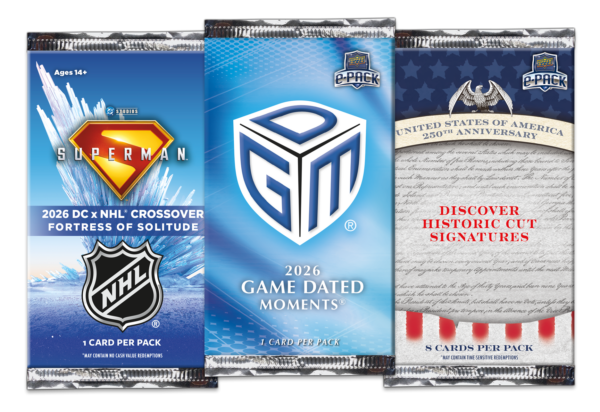
That physical conversion piece is still the platform’s signature feature, and it’s expanded well past hockey. Today, e-Pack will run exclusive releases like 2026 United States of America 250th Anniversary, 2026 DC x NHL Crossover: Fortress of Solitude, and Game Dated Moments (GDM). GDM which drops a card tied to a specific athlete and moment across multiple sports, with Gold parallels, limited to 100 copies, returning as bonus cards in select packs. These drops don’t stick around long either. Cards are usually only available for about a week, or while supplies last, which adds some urgency for anyone chasing a specific moment. After the sales window closes, low numbered Gold parallels get randomly awarded to buyers, so there’s a second wave of excitement even after the product technically leaves the shelf.
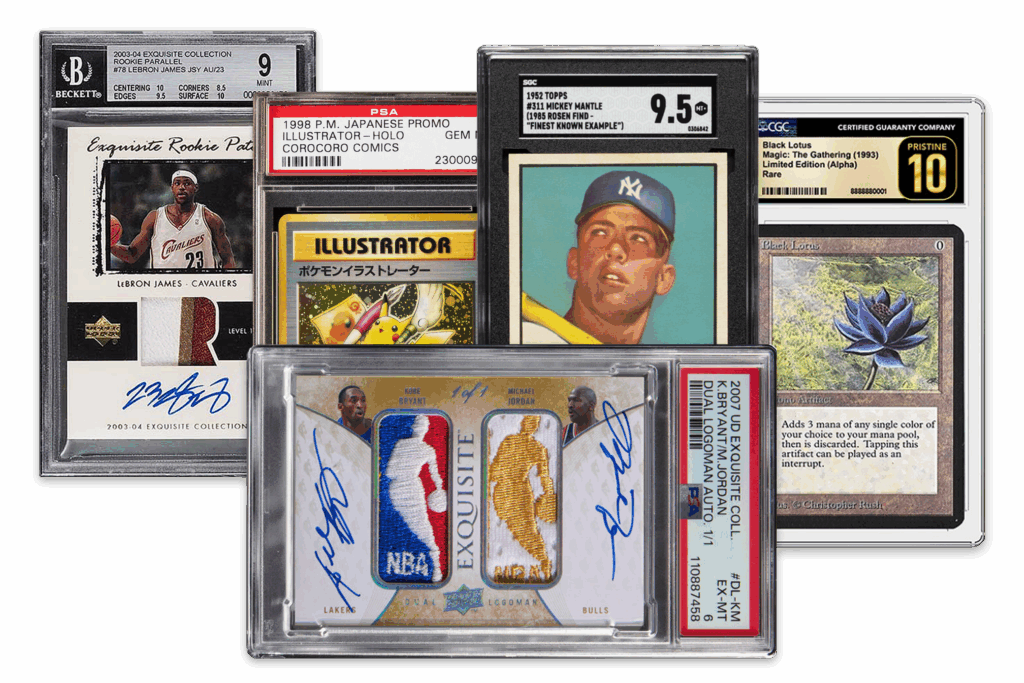
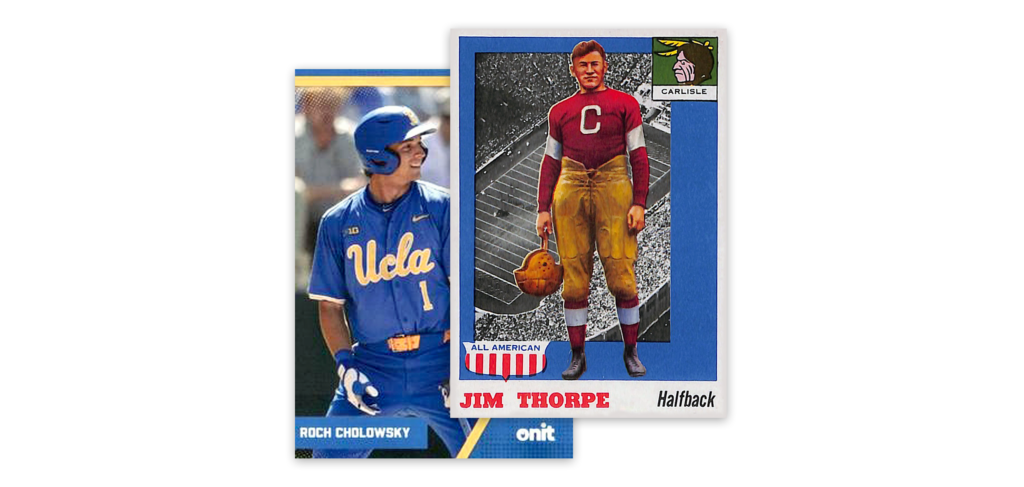
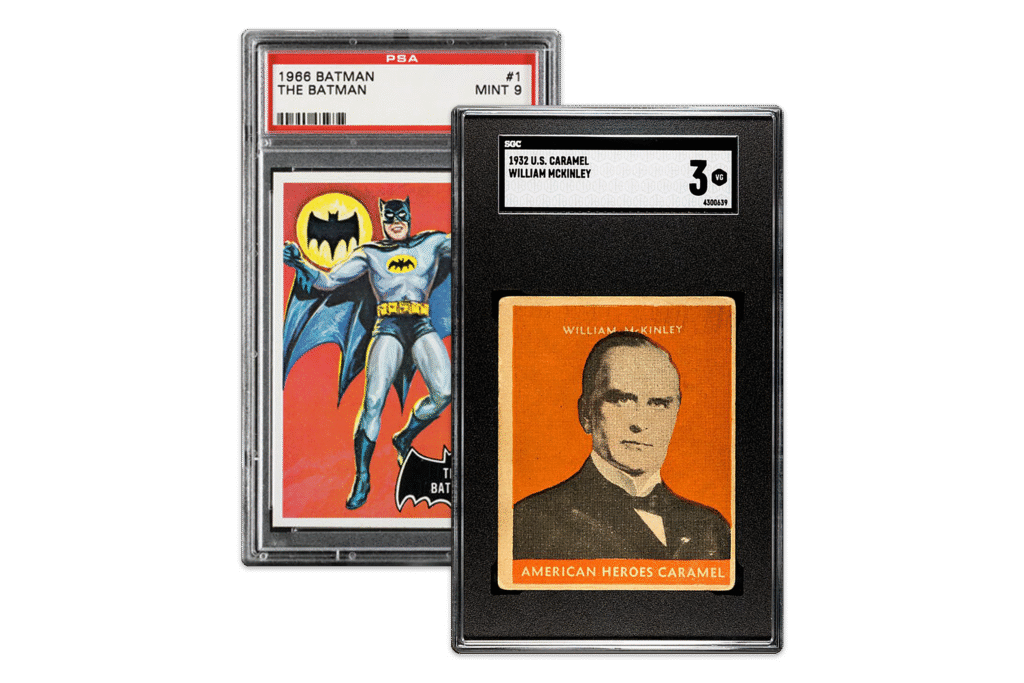
The catalog has broadened a lot since the early hockey-only days. Collectors can now find cards from multiple sports, wrestling, plus entertainment franchises like DC’s Superman and Batman, James Bond, and Looney Tunes to name a few. Familiar brands like Allure, Fleer Ultra, O-Pee-Chee Platinum, SP Game Used, and UD Series 1 and 2 sit alongside pop culture lines like Fleer Retro, Goodwin Champions, and SkyBox Metal Universe.
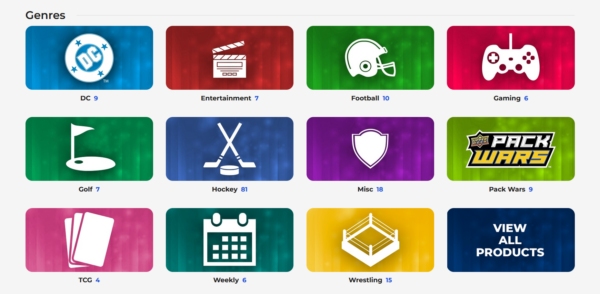
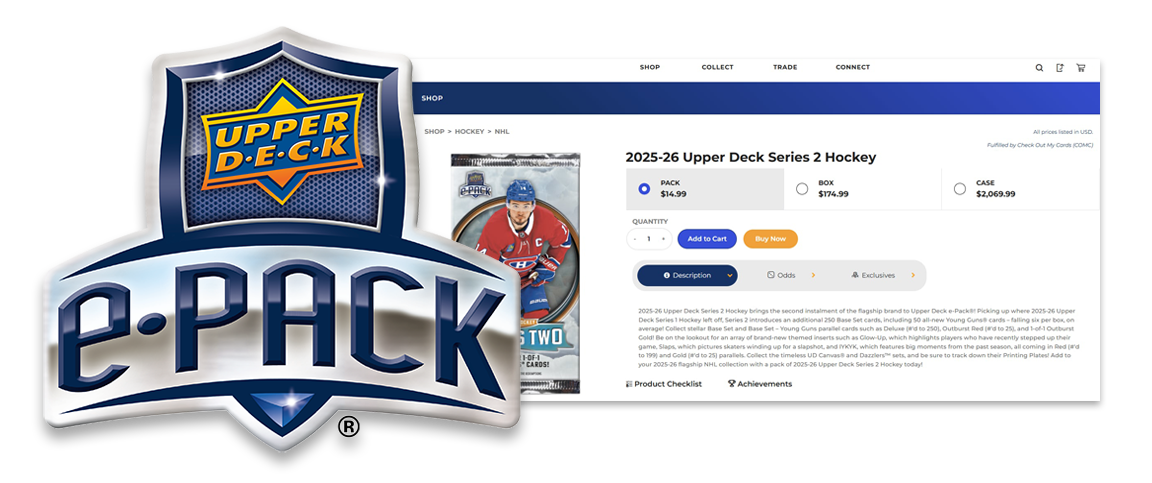
e-Pack offers a wide variety of pack selections across multiple categories and licenses
On the community side, e-Pack still leans into things like Pack Wars, giving collectors leaderboard style competitions with prizes for opening packs, plus achievements for finishing sets. It’s a smart way to keep people opening packs daily instead of just logging in for the free one and leaving.
For anyone who wants to see the mechanics in action, Upper Deck’s own team put out a short explainer video through Sports Cards Nonsense earlier this year. Daniel Machado from Upper Deck walks through what e-Pack actually is and how the digital to physical process works. It’s a good starting point if you’ve never opened a digital pack before and want the basics straight from the source.
Local card shop owners’ core gripe with e-Pack has always been the same. It lets collectors “open packs” without ever setting foot in a store, which cuts shops out of pack sales, foot traffic, and the community experience that keeps people coming back. Some in the hobby compare it to digital music hurting CD sales, worried it’s accelerating the same shift: less browsing, less trading in person, less of the social ritual that built shop loyalty in the first place.
Shops also lose control over pricing and resale since e-Pack cards live in Upper Deck’s own online marketplace instead of passing through a local counter. There’s a competitive fairness angle too. e-Pack lets collectors chase exclusive digital-only content and promos without buying a single physical box from a shop, which can feel like Upper Deck competing directly with the same retailers it depends on.
Upper Deck says e-Pack was never meant to replace your local card shop. It’s another way in for people who don’t live near a retailer, letting them open packs, trade, and get physical versions of eligible digital cards shipped out or fulfilled through COMC.
One of those protections comes down to timing. Upper Deck has always been clear that hobby product hits shelves first, and e-Pack comes later. How much later depends on the product. That’s been the rule since e-Pack launched back in 2016, and nothing’s changed. Collectors still bring it up on the forums, still ask why a product that’s been out for months in physical form is nowhere to be found on e-Pack yet.
It comes down to what e-Pack is actually for. It was never meant to replace hobby shops, just add another option alongside them. Shops get the new releases first, and that’s what keeps foot traffic coming through the door and gives retailers a reason to stock up. e-Pack steps in after the fact, once the hobby release has run its course, and gives collectors a second shot at the product online.
That said, Upper Deck isn’t blind to the tension here. Online exclusives and digital fulfillment can pull business away from brick-and-mortar stores, and the company knows it. Their argument is that e-Pack works as another door into the hobby, and once someone gets interested digitally, they often want more: real cards in hand, a trip to a card show, grading services, or just the community you only get from walking into an actual shop.
Upper Deck points to its retailer protections and support for authorized dealers as proof it’s trying to keep local shops in the game, though even they admit the relationship needs more work. More communication with retailers, more shop involvement in promotions and digital-to-physical releases, that’s the direction they say things need to go. At the end of the day, Upper Deck’s stance is simple: collect however works for you, whether that’s a shop, a card show, or your couch with e-Pack open. The real test is whether digital growth adds to the hobby without hurting shops and collecting communities.
Conclusion
Ten years in, e-Pack has turned into more than just a convenience play. It’s a unique release channel with its own exclusives, its own fulfillment pipeline into resale and grading, and its own place in how people build their collections. It gives new collectors an easy way in and gives longtime hobbyists another shot at cards without waiting on a shop restock. Whether Upper Deck keeps that balance with local shops intact is still the open question, but the platform itself has clearly earned a significant spot in the hobby.
Images: Upper Deck

Fabio Del Rio
Founder, Publisher
Collector since: 1983
Currently: Professor and Developer of ‘Business of Sports Collectibles’ college-accredited course and Micro-Credential (Northern College, OntarioLearn). Publisher and Developer of tabletop card games, puzzle games and puzzles. Pitching Coach of Brock University Men’s Baseball team.
Formerly: VP of Product Development and VP of Production at In The Game (former NHL/NHLPA card licensee). Editor and Trends Editor at Trajan Media (Charlton Standard Catalogue of Hockey Cards, Canadian Baseball Cards, Canadian Sports Collector magazine, Non-Sport Report, and more).
Fun Fact: Ate a worm for a jersey, basketball and baseball. Ask for more details when you meet him at a show.
Make us a Google preferred source